A Hyperorium-style visual breakdown of how AI, design, and data are reshaping the way brands speak to people — individually, instantly, and intelligently.
Branding has entered a new era — one where every user sees a different version of your brand.
Not because of segmentation.
Not because of targeting.
But because AI now adapts the entire brand experience to each individual in real time.
This is the rise of Hyper-Personalized Brand Experiences — where interfaces, content, visuals, and messaging shift uniquely for every human who interacts with the brand.At Hyperorium, we call this evolution:
“Identity That Reacts.”
🔥 Why Hyper-Personalization Is the Future of Branding
Three major shifts are making personalization not just desirable — but essential:
1. Consumers Expect Relevance, Not Randomness
Today’s users want brands to:
- Know their preferences
- Anticipate their needs
- Adapt to their behavior
- Serve meaningful content
- Reduce friction
If a brand feels generic, it feels outdated.
2. AI Can Now Predict, Adapt, and Respond
With modern AI, brands can deliver:
- Real-time content personalization
- Adaptive homepages
- Dynamic product recommendations
- Personalized storytelling
- Mood-aware visuals
- Context-sensitive interactions
The brand doesn’t just react —
it predicts.
3. Data Has Become Design Fuel
Behavioral data, interaction patterns, and emotional cues now inform:
- UI structure
- Visual themes
- Copy tone
- Product flows
- Onboarding experiences
Design no longer starts with a guess —
it starts with intelligence.
🎨 What Hyper-Personalized Brand Experiences Look Like
1. Dynamic Visual Systems
The brand identity shifts based on:
- Time of day
- User behavior
- Preferences
- Platform
- Emotional tone
Color palettes, illustrations, layouts, and micro-animations adapt fluidly.
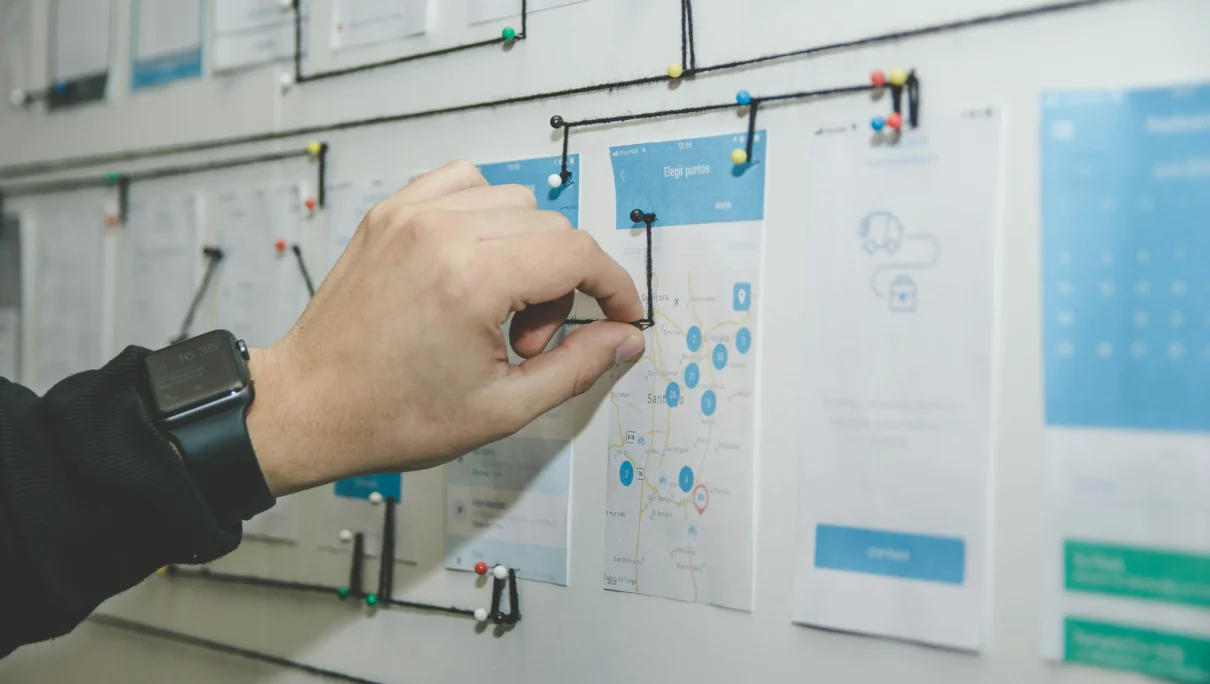
2. Personalized UX Flows
UInstead of one universal flow, users experience:
- Modified onboarding
- Tailored dashboards
- Smart suggestions
- Contextual shortcuts
Every interaction feels intuitive because it adapts to the person — not the persona.
3. AI-Driven Content Personalization
Every user sees:
- Different headlines
- Different images
- Different product highlights
- Different calls-to-action
Copywriting becomes a real-time algorithm — not a static asset.
4. Emotion-Responsive Interactions
Brands begin to sense mood through:
- Interaction pace
- Scroll behavior
- Dwelling time
- Voice sentiment
- Touch patterns
The interface becomes empathetic — adjusting tone, flow, or visuals to support the user’s emotional state.
🤖 How AI Powers Hyper-Personalized Branding
AI acts as the engine behind adaptive brand experiences:
🔹 Recommendation Algorithms
Serve the right content to the right user at the right time.
🔹 Behavioral Predictions
Anticipate intent and reduce friction.
🔹 Generative Design Tools
Create on-brand visual variations instantly.
🔹 AI-Driven Copywriting
Write messaging tailored to user context.
🔹 Personalization Engines
Blend data + content + design into one adaptive system.
This is where design, engineering, and branding merge into a single strategic discipline.
🚀 Why Hyper-Personalization Matters for Brands
1. Higher Engagement
Users stay longer because everything feels relevant.
2. Better Conversion Rates
Personalized flows reduce friction and increase action.
3. Stronger Emotional Connection
People connect with brands that “get them.”
4. Reduced Drop-off
Tailored experiences reduce overwhelm and confusion.
5. Competitive Differentiation
Brands that personalize will outperform those that don’t.
Hyper-personalization is no longer a competitive advantage —
it’s becoming the baseline.
🌎 Hyperorium’s Perspective: Experiences Should Feel Designed Just for You
The future of brand design isn’t static.
It isn’t one-size-fits-all.
It isn’t even multi-audience.
It’s multi-self.
Brands will:
- Shift visuals in real time
- Adapt tone with precision
- Reconfigure UX per individual
- Tell different stories to different users
- Become living, reactive systems
This is branding that evolves as fast as people do.
At Hyperorium, we help founders build adaptive design systems that align with this next wave of personalization — merging AI, UX, and brand storytelling into seamless, intelligent experiences.